Showing posts with label super bowl indicator. Show all posts

Saturday, February 01, 2020

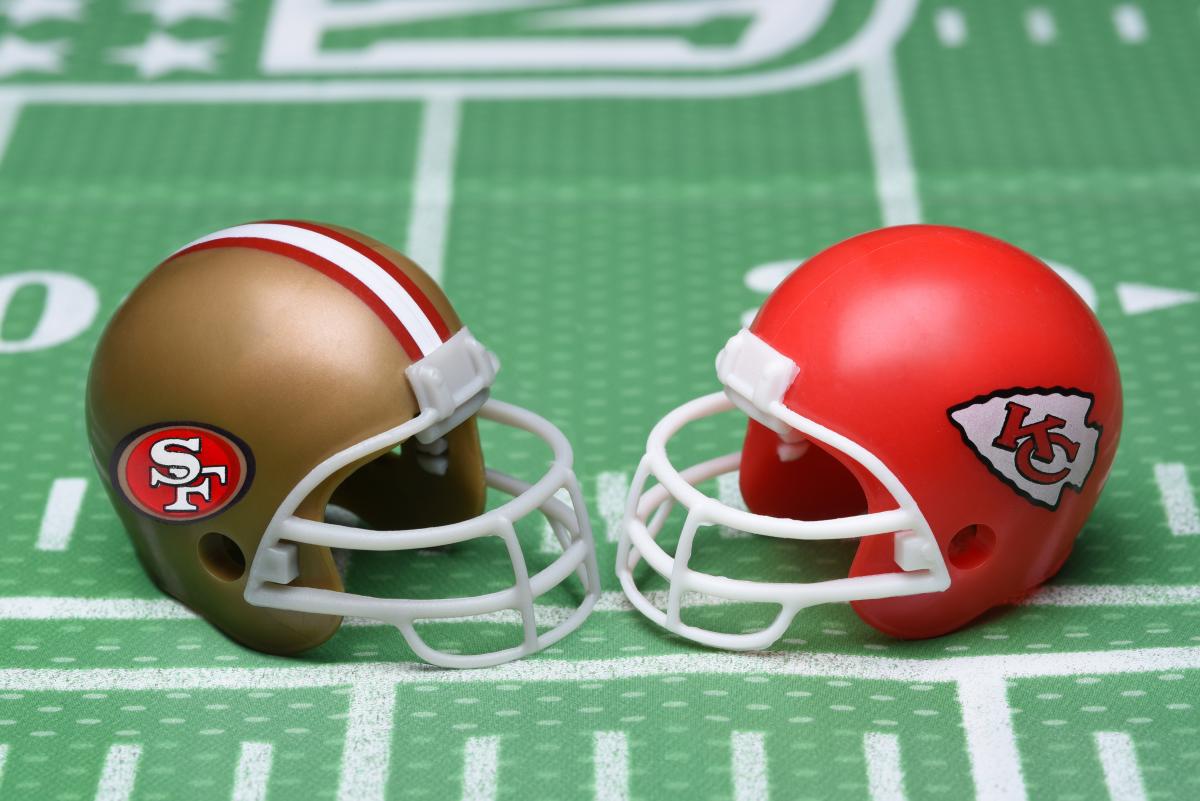
Will your portfolio be fortified by a 49ers win – or get chipped by the Chiefs?

That’s what adherents of the so-called Super Bowl Theory would likely conclude. The Super Bowl Theory holds that when a team from the old National Football League wins the Super Bowl, the S&P 500 will rise, and when a team from the old American Football League prevails, stock prices will fall.

It’s a “theory” that has been found to be correct nearly 80% of the time – for 40 of the 53 Super Bowls, in fact.

Not that it hasn’t had its shortcomings. One need look back no further than last year’s win by the AFC’s New England Patriots over the NFC champion Los Angeles Rams to find an exception – the S&P 500 was up more than 30% in 2019. And then it was just the year before that a win by the NFC champion Philadelphia Eagles against the AFC Champion Patriots (who once were the AFL’s Boston Patriots) also turned out to be a loser, marketwise, with the S&P 500 down more than 6% (though for most of the year it was quite a different story). Ditto the year before when the epic comeback by those same AFC Champion Patriots against the then-NFC champion
Atlanta Falcons didn’t forestall a 2017 market surge.

Nor is it always the Patriots who play Super Bowl Theory spoilers – the year before that the AFC’s (and original AFL) Broncos’ 24-10 victory over the Carolina Panthers, who represented the NFC, also proved to be an “exception.”

Market Makings
That string, however, was an unusual break in the streak that was sustained in 2015 following Super Bowl XLIX, when the AFC’s New England Patriots bested the Seattle Seahawks 28-24 to earn their fourth Super Bowl title. It also “worked” in 2014, when the Seahawks bumped off the legacy AFL Denver Broncos, and in 2013, when a dramatic fourth-quarter comeback rescued a victory by the Baltimore Ravens (over the San Francisco 49ers, it should be noted) – who, though representing the AFC, are technically a legacy NFL team via their Cleveland Browns roots.

Admittedly, the fact that the markets fared well in 2013 was hardly a true test of the Super Bowl Theory since, as it turned out, both teams in Super Bowl XLVII the Ravens and the San Francisco 49ers – were NFL legacy teams.

However, consider that in 2012 a team from the old NFL (the New York Giants) took on – and took down – one from the old AFL (the New England Patriots – yes, those New England Patriots). And, in fact, 2012 was a pretty good year for stocks.

Steel ‘Curtains’?

On the other hand, the year before that, the Pittsburgh Steelers (representing the American Football Conference) took on the National Football Conference’s Green Bay Packers – two teams that had some of the oldest, deepest and, yes, most “storied” NFL roots, with the Steelers formed in 1933 (as the Pittsburgh Pirates) and the Packers founded in 1919. According to the Super Bowl Theory, 2011 should have been a good year for stocks (because, regardless of who won, a legacy NFL team would prevail).

But as you may recall, while the Dow gained ground for the year, the S&P 500 was, well, flat.
And then there was the string of Super Bowls where the contests were all between legacy NFL teams (thus, no matter who won, the markets should have risen):
  • 2006, when the Steelers bested the Seattle Seahawks;
  • 2007, when the Indianapolis Colts beat the Chicago Bears 29-17;
  • 2009, when the Pittsburgh Steelers took on the Arizona Cardinals (who had once been the NFL’s St. Louis Cardinals); and
  • 2010, when the New Orleans Saints bested the Indianapolis Colts, who had roots back to the NFL legacy Baltimore Colts.
Sure enough, the markets were higher in each of those years.

As for 2008? Well, that was the year that the NFC’s New York Giants upended the hopes of the AFL-legacy Patriots (yes, those  Patriots) for a perfect season, but it didn’t do any favors for the stock market. In fact, that was the last time that the Super Bowl Theory didn’t “work” (well, until this past year – oh, and the year before that  – and the year before…).

Patriot Gains

Times were better for Patriots fans in 2005, when they bested the NFC’s Philadelphia Eagles 24-21. Indeed, according to the Super Bowl Theory, the markets should have been down that year – but the S&P 500 rose 2.55%.

Of course, Super Bowl Theory proponents would tell you that the 2002 win by the New England Patriots accurately foretold the continuation of the bear market into a third year (at the time, the first accurate result in five years). But the Patriots’ 2004 Super Bowl win against the Carolina Panthers (the one that probably nobody except Patriots fans and disappointed Panthers advocates remember because it was overshadowed by Janet Jackson’s infamous “wardrobe malfunction”) failed to anticipate a fall rally that helped push the S&P 500 to a near 9% gain that year, sacking the indicator for another loss (couldn’t resist).

Bronco ‘Busters’

Consider also that, despite victories by the AFL-legacy Denver Broncos in 1998 and 1999, the S&P 500 continued its winning ways, while victories by the NFL-legacy St. Louis (by way of Los Angeles) Rams (that have now returned to the City of Angels) and the Baltimore Ravens did nothing to dispel the bear markets of 2000 and 2001, respectively.

In fact, the Super Bowl Theory “worked” 28 times between 1967 and 1997, then went 0-4 between 1998 and 2001, only to get back on track from 2002 on (though “purists” still dispute how to interpret Tampa Bay’s 2003 victory, since the Buccaneers spent their first NFL season in the AFC before moving to the NFC).

Indeed, the Buccaneers’ move to the NFC was part of a swap with the Seattle Seahawks, who did, in fact, enter the NFL as an NFC team in 1976 but shuttled quickly over to the AFC (where they remained through 2001) before returning to the NFC (see below). And, not having entered the league until 1976, regardless of when they began, can the Seahawks truly be considered a “legacy” NFL squad? Bear in mind as well, that in 2006, when the Seahawks made their first Super Bowl appearance – and lost – the S&P 500 gained nearly 16%.

As for Sunday’s contest, the 49ers have been here before – this is their seventh appearance, having won 5 (and being the first team to do so), but having fallen short their last time. If they do prevail, that sixth Lombardi trophy will tie them with the Patriots and Steelers in the all-time list. As for the Chiefs, well, it’s been a half-century drought for them in the Super Bowl, though the last time they appeared (January 11, 1970 – Super Bowl IV) they were victorious (over the heavily favored Minnesota Vikings). Only the New York Jets (51 years) have endured a longer stretch in between titles. The Chiefs did appear in what was subsequently dubbed Super Bowl I (but at the time more simply the AFL-NFL Championship Game).

Trivial “Pursuits’

Super Bowl LIV will be played at Hard Rock Stadium in Miami Gardens, Florida. While it’s the sixth Super Bowl to take place at the stadium, it’s had a different name for almost every championship -- Sun Life Stadium (XLIV, 2010), Dolphin Stadium (XLI, 2007), Pro Player Stadium (XXXIII, 1999), Joe Robbie Stadium (XXIX, 1995).

This happens to be the first time a Super Bowl will feature two teams with red as a primary uniform color, although it’s the “home” town Chiefs who will be in their traditional home red jerseys with white pants for the game. That said, dating back to 2005 with the Patriots in Super Bowl XXXIX, the team wearing white jerseys has won 12 times.

All in all, it looks like it should be a good game.

And that – whether you are a proponent of the Super Bowl Theory or not – would be one in which regardless of which team wins, we all do!

- Nevin E. Adams, JD

Note: Seattle is the only team to have played in both the AFC and NFC Championship Games, having relocated from the AFC to the NFC during league realignment prior to the 2002 season. The Seahawks are the only NFL team to switch conferences twice in the post-merger era. The franchise began play in 1976 in the NFC West division but switched conferences with the Buccaneers after one season and joined the AFC West.

BTW, in case you were wondering, the Super Bowl is measured in Roman numerals because a football season runs over two calendar years.

Friday, February 02, 2018

Are Stocks Swayed by the Super Bowl?

Will your portfolio soar with the Eagles, or get pummeled by the Patriots?

That’s what adherents of the so-called Super Bowl Theory would likely conclude. The Super Bowl Theory holds that when a team from the old National Football League wins the Super Bowl, the S&P 500 will rise, and when a team from the old American Football League prevails, stock prices will fall.

It’s a “theory” that has been found to be correct nearly 80% of the time — for 40 of the 51 Super Bowls, in fact. Though last year’s big comeback by the AFC Champion Patriots (who once were the AFL’s Boston Patriots) against the then-NFC champion Atlanta Falcons — alongside the 2017 market surge — surely places its validity in question. Not to mention 2016, and the AFC’s (and original AFL) Broncos 24-10 victory over the Carolina Panthers, who represented the NFC.

It was an unusual break in the streak that was sustained in 2015 following Super Bowl XLIX, when the New England Patriots (yes, those same Patriots) bested the Seattle Seahawks 28-24 to earn their fourth Super Bowl title. It also “worked” in 2014, when the Seahawks bumped off the Denver Broncos, a legacy AFL team, and in 2013, when a dramatic fourth-quarter comeback rescued a victory by the Baltimore Ravens — who, though representing the AFC, are technically a legacy NFL team via their Cleveland Browns roots.

Admittedly, the fact that the markets fared well in 2013 was hardly a true test of the Super Bowl Theory since, as it turned out, both teams in Super Bowl XLVII — the Ravens and the San Francisco 49ers — were NFL legacy teams.

However, consider that in 2012 a team from the old NFL (the New York Giants) took on — and took down — one from the old AFL (the New England Patriots). And, in fact, 2012 was a pretty good year for stocks.

Steel ‘Curtains’?

On the other hand, the year before that, the Pittsburgh Steelers (representing the American Football Conference) took on the National Football Conference’s Green Bay Packers — two teams that had some of the oldest, deepest and, yes, most “storied” NFL roots, with the Steelers formed in 1933 (as the Pittsburgh Pirates) and the Packers founded in 1919. According to the Super Bowl Theory, 2011 should have been a good year for stocks (because, regardless of who won, an NFL team would prevail). But as you may recall, while the Dow gained ground for the year, the S&P 500 was, well, flat.

There was the string of Super Bowls where the contests were all between legacy NFL teams (thus, no matter who won, the markets should have risen):
  • 2006, when the Steelers bested the Seattle Seahawks;
  • 2007, when the Indianapolis Colts beat the Chicago Bears 29-17;
  • 2009, when the Pittsburgh Steelers took on the Arizona Cardinals, who had once been the NFL’s St. Louis Cardinals; and
  • 2010, when the New Orleans Saints bested the Indianapolis Colts, who had roots back to the NFL legacy Baltimore Colts.
Sure enough, the markets were higher in each of those years.

As for 2008? Well, that was the year that the NFC’s New York Giants upended the hopes of the AFL-legacy Patriots for a perfect season, but it didn’t do any favors for the stock market. In fact, that was the last time that the Super Bowl Theory didn’t “work” (well, until this past year – oh, and the year before THAT).

Patriot Gains

Times were better for Patriots fans in 2005, when they bested the NFC’s Philadelphia Eagles (yes, it’s a rematch this year of sorts) 24-21. Indeed, according to the Super Bowl Theory, the markets should have been down that year – but the S&P 500 rose 2.55%.

Of course, Super Bowl Theory proponents would tell you that the 2002 win by (those same) New England Patriots accurately foretold the continuation of the bear market into a third year (at the time, the first accurate result in five years). But the Patriots’ 2004 Super Bowl win against the Carolina Panthers (the one that probably nobody except Patriots fans remember because it was overshadowed by Janet Jackson’s infamous “wardrobe malfunction” with Justin Timberlake - who, as it turns out, is back to perform in this year's Super Bowl) failed to anticipate a fall rally that helped push the S&P 500 to a near 9% gain that year, sacking the indicator for another loss (couldn’t resist).

Bronco ‘Busters’

Consider also that, despite victories by the AFL-legacy Denver Broncos in 1998 and 1999, the S&P 500 continued its winning ways, while victories by the NFL-legacy St. Louis (by way of Los Angeles) Rams (that have now returned to the City of Angels) and the Baltimore Ravens did nothing to dispel the bear markets of 2000 and 2001, respectively.

In fact, the Super Bowl Theory “worked” 28 times between 1967 and 1997, then went 0-4 between 1998 and 2001, only to get back on track from 2002 on (“purists” still dispute how to interpret Tampa Bay’s 2003 victory, since the Buccaneers spent their first NFL season in the AFC before moving to the NFC).

Indeed, the Buccaneers’ move to the NFC was part of a swap with the Seattle Seahawks, who did, in fact, enter the NFL as an NFC team in 1976 but shuttled quickly over to the AFC (where they remained through 2001) before returning to the NFC (see below). And, not having entered the league until 1976, regardless of when they began, can the Seahawks truly be considered a “legacy” NFL squad? Bear in mind as well, that in 2006, when the Seahawks made their first Super Bowl appearance — and lost — the S&P 500 gained nearly 16%.

As for Sunday’s contest, the Patriots have been here before (to put it mildly), the Eagles (just) twice – but not since 2004 (when they lost to the Patriots) and before that in Super Bowl XV against the Oakland Raiders — but are 0-2 in those appearances.

On a separate note, despite (technically) being the home team, the Patriots will (again) be wearing white jerseys. Not that they’re superstitious or anything, but 12 of the last 13 Super Bowl winners were wearing white jerseys — and, according to CBS, not only were the Pats in white the last time they beat the Eagles, they are (only) 2-2 when wearing blue jerseys in the Super Bowl, and 3-1 when in white (Bears fans at least will recall what happened when the Patriots wore red in Super Bowl XX).

All in all, it looks like it will be a good game. And that — whether you are a proponent of the Super Bowl Theory or not — would be one in which regardless of which team wins, we all do!

- Nevin E. Adams, JD
 
Note: Seattle is the only team to have played in both the AFC and NFC Championship Games, having relocated from the AFC to the NFC during league realignment prior to the 2002 season. The Seahawks are the only NFL team to switch conferences twice in the post-merger era. The franchise began play in 1976 in the NFC West division but switched conferences with the Buccaneers after one season and joined the AFC West.

Friday, February 05, 2016

Are the Panthers a Portfolio Pick?

Will your portfolio pick up with the Panthers, or will it get bucked by the Broncos?

That’s what adherents of the so-called Super Bowl Theory would likely predict. The Super Bowl Theory holds that when a team from the old National Football League wins the Super Bowl, the S&P 500 will rise, and when a team from the old American Football League prevails, stock prices will fall.

It’s a “theory” that has been found to be correct nearly 80% of the time — for 39 of the 49 Super Bowls, in fact.

It certainly proved to be the case this past year, following Super Bowl XLIX, when the New England Patriots bested the Seattle Seahawks 28-24 to earn their fourth Super Bowl title. It also “worked” in 2014, when the Seahawks bumped off the Denver Broncos, a legacy AFL team, and in 2013, when a dramatic fourth-quarter comeback rescued a victory by the Baltimore Ravens — who, though representing the AFC, are technically a legacy NFL team via their Cleveland Browns roots. Admittedly, the fact that the markets fared well in 2013 was hardly a true test of the Super Bowl Theory since, as it turned out, both teams in Super Bowl XLVII — the Ravens and the San Francisco 49ers — were NFL legacy teams.

However, consider that in 2012 a team from the old NFL (the New York Giants) took on — and took down — one from the old AFL (the New England Patriots, who once were the AFL’s Boston Patriots). And, in fact, 2012 was a pretty good year for stocks.

Steel ‘Curtains’?

On the other hand, the year before that, the Pittsburgh Steelers (representing the American Football Conference) took on the National Football Conference’s Green Bay Packers — two teams that had some of the oldest, deepest and, yes, most “storied” NFL roots, with the Steelers formed in 1933 (as the Pittsburgh Pirates) and the Packers founded in 1919. So, according to the Super Bowl Theory, 2011 should have been a good year for stocks (because, regardless of who won, an NFL team would prevail). But as you may recall, while the Dow gained ground for the year, the S&P 500 was, well, flat.

There was the string of Super Bowls where the contests were all between legacy NFL teams:
  • 2006, when the Steelers bested the Seattle Seahawks;
  • 2007, when the Indianapolis Colts beat the Chicago Bears 29-17;
  • 2009, when the Pittsburgh Steelers took on the Arizona Cardinals, who had once been the NFL’s St. Louis Cardinals; and
  • 2010, when the New Orleans Saints bested the Indianapolis Colts, who had roots back to the NFL legacy Baltimore Colts.
The markets were higher in each of those years.

As for 2008? Well, that was the year that the NFC’s New York Giants upended the hopes of the AFL-legacy Patriots for a perfect season, but it didn’t do any favors for the stock market. In fact, that was the last time that the Super Bowl Theory didn’t “work.”

Patriot Gains

Times were better for Patriots fans in 2005, when they bested the NFC’s Philadelphia Eagles 24-21. According to the Super Bowl Theory, the markets should have been down that year. However, the S&P 500 climbed 2.55%. Of course, Super Bowl Theory proponents would tell you that the 2002 win by those same New England Patriots accurately foretold the continuation of the bear market into a third year (at the time, the first accurate result in five years). But the Patriots’ 2004 Super Bowl win against the Carolina Panthers (the one that nobody remembers because it was overshadowed by Janet Jackson’s infamous “wardrobe malfunction”) failed to anticipate a fall rally that helped push the S&P 500 to a near 9% gain that year, sacking the indicator for another loss.

Bronco ‘Busters’

Consider also that, despite victories by the AFL-legacy Denver Broncos in 1998 and 1999, the S&P 500 continued its winning ways, while victories by the NFL-legacy St. Louis (by way of Los Angeles) Rams and the Baltimore Ravens did nothing to dispel the bear markets of 2000 and 2001, respectively.

In fact, the Super Bowl Theory “worked” 28 times between 1967 and 1997, then went 0-4 between 1998 and 2001, only to get back on track from 2002 on (purists still dispute how to interpret Tampa Bay’s 2003 victory, since the Buccaneers spent their first NFL season in the AFC before moving to the NFC).

Indeed, the Buccaneers’ move to the NFC was part of a swap with the Seattle Seahawks, who did, in fact, enter the NFL as an NFC team in 1976 but shuttled quickly over to the AFC (where they remained through 2001) before returning to the NFC.1 And, not having entered the league until 1976, regardless of when they began, can the Seahawks truly be considered a “legacy” NFL squad? Bear in mind as well, that in 2006, when the Seahawks made their first Super Bowl appearance — and lost — the S&P 500 gained nearly 16%.

As for Sunday’s contest, the “line” has been a bit volatile, though the Panthers seem to be hanging in as 6-point favorites. For the third year in a row, the Super Bowl will feature the two No. 1 seeds in the big game – and, perhaps not surprisingly as a result, four of the last five Super Bowls have come down to the last play.

Jersey ‘Sure’?

The Broncos are 0-4 all-time wearing their orange jerseys in the Super Bowl — but they’ll be wearing white this Sunday. The Panthers might be glad to be in their dark jerseys — they were wearing white in their single Super Bowl appearance, a loss. On the other hand, believe it or not, 10 of the last 11 Super Bowl winners were wearing white jerseys, according to CBS Sports.

All in all, it looks like it will be a good game. And that — whether you are a proponent of the Super Bowl Theory or not — would be one in which regardless of which team wins, we all do!

Nevin E. Adams, JD
  1. In fact, Seattle is the only team to have played in both the AFC and NFC Championship Games, having relocated from the AFC to the NFC during league realignment prior to the 2002 season. The Seahawks are the only NFL team to switch conferences twice in the post-merger era. The franchise began play in 1976 in the NFC West division but switched conferences with the Buccaneers after one season and joined the AFC West.

Friday, January 30, 2015

Stocks Swayed by the Super Bowl?

Will your portfolio soar with the Seahawks, or get pummeled by the Patriots?

That’s what adherents of the so-called Super Bowl Theory would likely predict. The Super Bowl Theory holds that when a team from the old National Football League wins the Super Bowl, the S&P 500 will rise, whereas when a team from the old American Football League prevails, stock prices will fall.

It’s a “theory” that has been found to be correct nearly 80% of the time; for 38 of the 48 Super Bowls, in fact.

It certainly “worked” in 2014, when these same Seattle Seahawks bumped the Broncos, a legacy AFL team, and in 2013, when a dramatic fourth quarter comeback rescued a victory by the Baltimore Ravens who, though representing the AFC, are technically a legacy NFL team via their Cleveland Browns roots. Admittedly, that the markets fared well in 2013 was hardly a true test of the Super Bowl Theory since, as it turned out, both teams in Super Bowl XLVII — the Ravens and the San Francisco 49ers — were NFL legacy.

However, consider that in 2012 a team from the old NFL (the NY Giants) took on — and took down — one from the old AFL (the New England Patriots, who once were the AFL’s Boston Patriots). And, in fact, 2012 was a pretty good year for stocks.

On the other hand, the year before that, the Pittsburgh Steelers (representing the American Football Conference) took on the National Football Conference’s Green Bay Packers — two teams that had some of the oldest, deepest and, yes, most “storied” NFL roots, with the Steelers formed in 1933 (as the Pittsburgh Pirates) and the Packers, founded in 1919. So, according to the Super Bowl Theory, 2011 should have been a good year for stocks (because, regardless of who won, an NFL team would prevail). But as you may recall, while the Dow gained ground for the year, the S&P 500 was, well, flat.

There was the string of Super Bowls where the contests were all between legacy NFL teams: 2010 (when the New Orleans Saints bested the Indianapolis Colts, who had roots back to the NFL legacy Baltimore Colts)), 2009 (the Pittsburgh Steelers took on the Arizona Cardinals, who had once been the NFL’s St. Louis Cardinals), 2007 (where the Indianapolis Colts beat the Chicago Bears 29-17), and 2006, when the Steelers besting the Seattle Seahawks. The markets were higher in each of those years.

As for 2008? Well, that was the year that the NFC’s New York Giants upended the legacy AFL’s Patriots’ hopes for a perfect season, but it didn’t do any favors for the stock market. In fact, that was the last time that the Super Bowl Theory didn't “work.”

Patriot Gains

Times were better for Patriots fans in 2005 when they bested the NFC’s Philadelphia Eagles 24-21, and, according to the Super Bowl Theory, the markets should have been down for the year. However, in 2005 the S&P 500 climbed 2.55%. Of course, the 2002 win by those same New England Patriots accurately foretold the continuation of the bear market into a third year (at the time, the first accurate result in five years). But the Patriots’ 2004 Super Bowl win against the Carolina Panthers failed to anticipate a fall rally that helped push the S&P 500 to a near 9% gain that year, sacking the indicator for another loss.

Consider also that, despite victories by the (AFL legacy) Denver Broncos in 1998 and 1999, the S&P 500 continued its winning ways, while victories by the NFL legacy St. Louis (by way of Los Angeles) Rams and the Baltimore Ravens, did nothing to dispel the bear markets of 2000 and 2001, respectively.

In fact, the Super Bowl Theory “worked” 28 times between 1967 and 1997, then went 0-4 between 1998 and 2001, only to get back on track from 2002 on (purists still dispute how to interpret Tampa Bay’s victory in 2003, since the Buccaneers spent their first NFL season in the AFC before moving to the NFC).

Indeed, the Buccaneers’ move to the NFC was part of a swap with the Seattle Seahawks, who did, in fact, enter the NFL as an NFC team in 1976 but shuttled quickly over to the AFC (where they remained through 2001) before returning to the NFC.1 And, not having entered the league until 1976, wherever they began, can the Seahawks truly be considered a “legacy” NFL squad? Bear in mind as well, that in 2006, when the Seahawks made their first Super Bowl appearance — and lost — the S&P 500 gained nearly 16%.

As for Sunday’s contest, after the Seattle Seahawks opened as 2-point favorites, the Patriots now appear to be 1-point favorites — and this is the first time since 1975 that we actually have two Number 1 seeds facing off in the Super Bowl. It looks like it will be a good game, and that — whether you are a proponent of the Super Bowl Theory or not, would be one in which whoever wins, we all do!

- Nevin E. Adams, JD

1. In fact, Seattle is the only team to have played in both the AFC and NFC Championship Games, having relocated from the AFC to the NFC during league realignment prior to the 2002 season. The Seahawks are the only NFL team to switch conferences twice in the post-merger era. The franchise began play in 1976 in the NFC West division but switched conferences with the Buccaneers after one season and joined the AFC West.

Saturday, January 25, 2014

Stocks Swayed by the Super Bowl?

Will your portfolio soar with the Seahawks, or get kicked by the Broncos? 

That’s what adherents of the so-called Super Bowl Theory—which maintains that when a team from the old National Football League wins the Super Bowl, the S&P 500 will rise, whereas should a team from the old American Football League prevail, stock prices would be expected to fall—would likely predict.

Sure enough, last year’s victory by the Baltimore Ravens (who, it might be recalled, are really a legacy NFL team via their Cleveland Brown roots) coincided with a 29.6 percent gain for the S&P 500.  Moreover, the indicator has been correct 37 of the last 47 years, or nearly 79 percent of the time.
Not only has the Super Bowl Indicator consistently predicted the direction of the market, but returns when the old NFL wins and when the AFL wins are dramatically different, according to a recent report in the Wall Street Journal, which notes that the Dow has averaged a healthy 11.6 percent return in years in which the old NFL wins the Super Bowl and has declined by an average of 0.74 percent in years in which the old AFL prevailed.

Fare Way?
That the markets fared well in 2013 was hardly a true test of the Super Bowl Theory since, as it turned out, both teams in Super Bowl XLVII—the Baltimore Ravens (by way of NFL legacy Cleveland Browns) and the San Francisco 49ers—were NFL legacy, and thus an NFL legacy team would win regardless of the end result.

Of course, looking back over the years, the record is a bit, shall we say, “inconsistent.”  Consider that in 2012 a team from the old NFL (the NY Giants) took on—and took down—one from the old AFL (the New England Patriots, who once were the AFL’s Boston Patriots).  And, in fact, 2012 was a pretty good year for stocks. 
The year before that, the Pittsburgh Steelers (representing the American Football Conference) took on the National Football Conference’s Green Bay Packers—two teams that had some of the oldest, deepest and, yes, most “storied” NFL roots, with the Steelers formed in 1933 (as the Pittsburgh Pirates) and the Packers, founded in 1919. So, according to the Super Bowl Theory, 2011 should have been a good year for stocks (because, regardless of who won, an NFL team would prevail). But as you may recall, while the Dow gained ground for the year, the S&P 500 was, well, flat.

On the other hand, 2010 turned out pretty well for the markets—a year when the New Orleans Saints bested the Indianapolis Colts, though it was, after all, another Super Bowl featuring two teams with NFL roots (the Colts by way of the storied Baltimore Colts franchise).  That was also the case in 2009 when both the Arizona Cardinals and the Pittsburgh Steelers shared NFL roots (the Arizona Cardinals by way of once upon a time being the St. Louis Cardinals), AND in 2007, when the S&P 500 rose 3.53 percent as the Indianapolis Colts beat the NFL legacy Chicago Bears 29-17, as well as in 2006 when the Pittsburgh Steelers defeated these same Seattle Seahawks; that turned out to be a good year for equities, with the S&P 500 closing up more than 13 percent.
Patriot Gains

Times were better for Patriots fans in 2005 when they bested the NFC’s Philadelphia Eagles 24-21. According to the Super Bowl Theory, the markets should have been down for the year. However, in 2005 the S&P 500 climbed 2.55 percent.   
Of course, the 2002 win by those same New England Patriots accurately foretold the continuation of the bear market into a third year (at the time, the first accurate result in five years). But the Patriots’ 2004 Super Bowl win against the Carolina Panthers failed to anticipate a fall rally that helped push the S&P 500 to a near 9 percent gain that year, sacking the indicator for another loss.

Consider also that, despite victories by these same (AFL legacy) Denver Broncos in 1998 and 1999, the S&P 500 continued its winning ways, while victories by the NFL legacy St. Louis (by way of Los Angeles) Rams and the Baltimore Ravens, did nothing to dispel the bear markets of 2000 and 2001, respectively.
In fact, the Super Bowl Theory “worked” 28 times between 1967 and 1997, then went 0-4 between 1998 and 2001, only to get back on track from 2002 on (purists still dispute how to interpret Tampa Bay’s victory in 2003, since the Buccaneers spent their first NFL season in the AFC before moving to the NFC).

Indeed, the Buccaneers’ move to the NFC was part of a swap with the Seattle Seahawks, who did, in fact, enter the NFL as an NFC team in 1976 but shuttled quickly over to the AFC (where they remained through 2001) before returning to the NFC(1). 
And, not having entered the league until 1976, wherever they began, can the Seahawks truly be considered a “legacy” NFL squad?

Investor adherents to this market theory are presumed to be pulling for the NFC’s Seahawks over the old AFL (and new AFC Champion) Denver Broncos in Super Bowl XLVIII.  On the other hand, when Denver won its back-to-back Super Bowls in 1998 and 1999 (2), the Dow and S&P did pretty well; and in 2006—when the Seahawks made their only other Super Bowl appearance and lost—the S&P 500 gained nearly 16 percent. 
Regardless, it looks like it could be a good game—and whether you are a proponent of the Super Bowl Theory or not, would be one in which whoever wins, we all will!

-          Nevin E. Adams, JD

(1) In fact, Seattle is the only team to have played in both the AFC and NFC Championship Games, having relocated from the AFC to the NFC during league realignment prior to the 2002 season. The Seahawks are the only NFL team to switch conferences twice in the post-merger era. The franchise began play in 1976 in the NFC West division but switched conferences with the Buccaneers after one season and joined the AFC West.
(2) Ignoring, of course, the Super Bowls Denver lost (and the markets “won”) in 1978, 1987, and 1988 and 1989 – the latter still the widest margin of loss (55-10) in Super Bowl history)

Saturday, January 26, 2013

Win "Win"

Ravens or 49ers – either way, your stock portfolio could have something to cheer about this year.
According to the Super Bowl Theory, which was invented/popularized by the late New York Times sportswriter Leonard Koppett, a Super Bowl win by a team from the old National Football League is a precursor to rising stock values for the year (at least as measured by the S&P 500), but if a team from the old American Football League (AFL) prevails, stocks will fall in the coming year.
As it turns out both teams in Super Bowl XLVII - the Baltimore Ravens (by way of NFL legacy Cleveland Browns) and the San Francisco 49ers – are NFL legacy – and thus, regardless of which team wins, a legacy NFL team will prevail.
Of course, looking back over the years, the record is a bit, shall we say, “inconsistent.”It “worked”for 12 of the first 13 Super Bowls – and, over 45 Super Bowls, it’s proven to be “accurate” 35 times.On the other hand, over the past 15 years, it has only held true about half the time.

Last year the team from the old NFL (the NY Giants) took on –and took down - one from the old AFL (the New England Patriots, who once were the AFL’s Boston Patriots). And, in fact, 2012 was a pretty good year for stocks.
Looking Back

The year before that the Pittsburgh Steelers (representing the American Football Conference) and the National Football Conference’s Green Bay Packers. Both teams had some of the oldest, deepest, and yes, most “storied” NFL roots, with the Steelers formed in 1933 (as the Pittsburgh Pirates), and the Packers, founded in 1919. So, according to the Super Bowl Theory, 2011 should have been a good year for stocks (because, regardless of who won, an NFL team would prevail). But, as you may recall, while the Dow gained ground for the year, the S&P 500 was –well, flat.
Before that, in Super Bowl XLII the underdog New York Giants pulled off a remarkable victory – but the S&P 500 still shed…well, we don’t really need to relive that here (particularly for Patriots fans).

On the other hand, 2010 turned out pretty well for the markets – a year when the New Orleans Saints bested the Indianapolis Colts, though it was, after all, also a Super Bowl featuring two teams with NFL roots. And it was also the case in 2009 when both Super Bowl teams - the Arizona Cardinals and the Pittsburgh Steelers – shared NFL roots (the Arizona Cardinals by way of one time being the St. Louis Cardinals), AND in 2007 when the S&P 500 rose 3.53% as the Indianapolis Colts beat the Chicago Bears 29-17. That also turned out to be the case in 2006 when the Pittsburgh Steelers (yes, again) defeated the Seattle Seahawks in another battle of two legacy NFL clubs. That turned out to be a good year for equities, with the S&P 500 closing up more than 13%.

Patriot Gains
Times were better for Patriots fans in 2005 when they bested the NFC’s Philadelphia Eagles 24-21. According to the Super Bowl Theory, the markets should have been down for the year. However, in 2005 the S&P 500 climbed 2.55%.
Of course, the 2002 win by those same New England Patriots accurately foretold the continuation of the bear market into a third year (at the time, the first accurate result in five years). But the Patriots 2004 Super Bowl win against the Carolina Panthers failed to anticipate a fall rally that helped push the S&P 500 to a near 9% gain that year, sacking the indicator for another loss.

Consider also that, despite victories by the old AFL Denver Broncos in 1998 and 1999, the S&P 500 continued its winning ways, while victories by the NFL legacy St. Louis (by way of Los Angeles) Rams (with the just-retired Arizona quarterback Kurt Warner calling plays) and the Baltimore Ravens, which Super Bowl Theory proponents might hope would lead to a positive 2013 outcome for stocks, did nothing to dispel the bear markets of 2000 and 2001, respectively.
Remember of course that it “worked” 28 times between 1967 and 1997 –then went 0-4 between 1998 and 2001 – only to get back on track from 2002 on (purists still dispute how to interpret Tampa Bay’s victory in 2003, since the Buccaneers spent their first NFL season in the AFC before moving to the NFC).

As for Sunday – the oddsmakers are giving the nod to the 49ers– though not by much.
It looks like it could be a good game – and that, whether you are a proponent of the Super Bowl Theory or not – would be one in which whoever wins, we all will!

- Nevin E. Adams, JD

Thursday, February 02, 2012

Pats or Giants? Your Portfolio May Care

There could be a lot more riding on Sunday’s Super Bowl than you think.

If the results of the Super Bowl exert any influence on the markets – as proponents of the so-called Super Bowl Theory claim – then 2012 could prove to be truly tumultuous.

For the "uninitiated," the theory (invented/popularized by the late New York Times sportswriter Leonard Koppett) says that a win by a team from the old National Football League is a precursor to rising stock values for the year (at least as measured by the S&P 500), but if a team from the old American Football League (AFL) prevails, stocks will fall in the coming year.

This year we have a team from the old NFL (the NY Giants) taking on one from the old AFL (the New England Patriots, who once were the AFL’s Boston Patriots). So, if the Giants prevail, 2012 should be a good year for stocks – and if things go the Patriots’ way, well…

On the Other Hand…

Of course, as even loyal proponents will admit, this theory used to work a lot better than it has in recent years. The most obvious (and recent) proof of that was Super Bowl XLII, where these same two teams met – and the underdog New York Giants pulled off a remarkable victory – but the S&P 500 still shed…well, we don’t really need to relive that here (particularly for Patriots fans).

Last year’s contest brought together two classic NFL teams; the Pittsburgh Steelers (representing the American Football Conference) and the National Football Conference’s Green Bay Packers. Both those teams had some of the oldest, deepest, and yes, most “storied” NFL roots, with the Steelers formed in 1933 (as the Pittsburgh Pirates), and the Packers, founded in 1919. So, according to the Super Bowl Theory, 2011 should have been a good year for stocks (because, regardless of who won, an NFL team would prevail). But, as you may recall, while the Dow gained ground for the year, the S&P 500 was – well, flat.

On the other hand, 2010 turned out pretty well – a year when the New Orleans Saints bested the Indianapolis Colts, though it was, after all, also a Super Bowl featuring two teams with NFL roots. And it was also the case in 2009 when both Super Bowl teams - the Arizona Cardinals and the Pittsburgh Steelers – had NFL roots (the Arizona Cardinals by way of one time being the St. Louis Cardinals), AND in 2007 when the S&P 500 rose 3.53% as the Indianapolis Colts beat the Chicago Bears 29-17. That also turned out to be the case in 2006 when the Pittsburgh Steelers (yes, again) defeated the Seattle Seahawks in another battle of two legacy NFL clubs. That turned out to be a good year for equities, with the S&P 500 closing up more than 13%.

Except When It Doesn’t…

Of course, as even loyal proponents will admit, this theory used to work a lot better than it has in recent years. The most obvious (and recent) proof of that was the aforementioned Super Bowl XLII where the New York Giants pulled off a remarkable victory – but the S&P 500 still shed…well, we don’t really need to relive that again (particularly for Patriots fans).
Times were better for Patriots fans in 2005 when they bested the NFC’s Philadelphia Eagles 24-21. According to the Super Bowl Theory, the markets should have been down for the year. However, in 2005 the S&P 500 climbed 2.55%.

Of course, the 2002 win by those same New England Patriots accurately foretold the continuation of the bear market into a third year (at the time, the first accurate result in five years). But the Patriots 2004 Super Bowl win against the Carolina Panthers failed to anticipate a fall rally that helped push the S&P 500 to a near 9% gain that year, sacking the indicator for another loss.

Consider also that, despite victories by the old AFL Denver Broncos in 1998 and 1999, the S&P 500 continued its winning ways, while victories by the NFL legacy St. Louis (by way of Los Angeles) Rams (with the just-retired Arizona quarterback Kurt Warner calling plays) and the Baltimore (by way of NFL legacy Cleveland Browns) Ravens did nothing to dispel the bear markets of 2000 and 2001.

Winning “Streaks”

All in all, the Super Bowl Theory has been on the money more often than not – much more often than not, in fact - but in true sports fashion, has had some winning streaks and some rough patches. Consider that it “worked” 28 times between 1967 and 1997 – then went 0-4 between 1998 and 2001 – only to get back on track from 2002 on (purists still dispute how to interpret Tampa Bay’s victory in 2003, since the Buccaneers spent their first NFL season in the AFC before moving to the NFC).

As for Sunday – the oddsmakers are giving the nod to the Patriots – though not by much.

It looks like it could be a good game – and that, whether you are a proponent of the Super Bowl Theory or not – would be one in which whoever wins, we all will!

Nevin E. Adams, JD


Note:

Other exceptions included: 1970, when AFC Kansas City won, and the S&P index gained 0.1%; 1984, when AFC Los Angeles Raiders won, and the S&P rose 1.4%; 1990, when NFC San Francisco prevailed, and the S&P lost 6.56%; and 1994, when NFC Dallas triumphed, but the S&P index fell 1.53%.